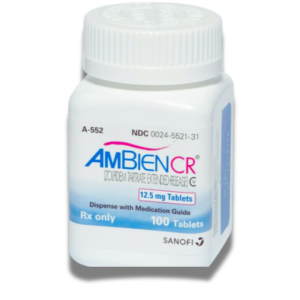
Description
Xanax, or alprazolam, sits among the most widely prescribed medications in the United States for anxiety and panic disorders. This benzodiazepine has been a household name since its FDA approval in 1981.
Millions of Americans receive prescriptions for it every year. Still, recent research has started to question how well it really works—and what risks come with it.
New studies reveal that the effectiveness of Xanax for panic disorder may be inflated by over 40% due to publication bias, meaning negative research results often go unpublished while positive studies get shared widely.
A 2024 analysis in Psychological Medicine found that, after looking at FDA data, only one out of five clinical trials for extended-release alprazolam showed positive results. But in the published medical literature, it looked like all trials were successful because negative studies were either not published or presented as positive.
So, what does current science actually say about Xanax? Let’s look at the latest research on how it works in the brain, what its real effectiveness looks like, the risks of dependence and withdrawal, and what new findings might mean for anxiety treatment in the future.
Key Takeaways
- Xanax effectiveness for panic disorder seems much lower than we thought, mostly because negative clinical trial results often go unpublished
- The drug carries real risks for dependence, withdrawal, and side effects researchers are still uncovering
- New discoveries are changing what we know about how benzodiazepines affect the body and why they can cause trouble
Pharmacology and Mechanism of Xanax
Alprazolam belongs to a subclass of benzodiazepines that boost inhibitory neurotransmission in your brain. The drug comes in both immediate-release and extended-release forms, each designed to deliver the medication at different speeds to fit your needs.
Chemical Structure and Benzodiazepine Classification
Alprazolam is a triazolobenzodiazepine, which means it has a triazole ring fused onto the standard benzodiazepine structure. This sets it apart from other benzodiazepines like diazepam or lorazepam.
The fused triazole ring changes how your body processes the drug. This structure allows for rapid absorption and quick metabolism through a process called alpha-hydroxylation of the methyl group on the triazole ring.
Alprazolam’s chemical name is 8-chloro-1-methyl-6-phenyl-4H-triazolo[4,3-a][1,4]benzodiazepine. It appears as a white crystalline powder that dissolves well in methanol and ethanol but not as well in water. Its log P value is about 2.5, so it’s not very lipophilic.
Mechanism of Action in the Central Nervous System
Benzodiazepines like alprazolam act as GABAergic agents in your brain and central nervous system. They enhance the effect of gamma-aminobutyric acid (GABA), your brain’s main inhibitory neurotransmitter.
When you take alprazolam, it binds to certain sites on GABA-A receptors. The triazole ring actually gives it a strong binding affinity, which boosts its effectiveness.
This binding increases how often the chloride channel opens, letting more chloride ions flow into your neurons. That hyperpolarizes the neurons, making them less likely to fire.
That’s what delivers the calming, anti-anxiety effects you feel when you take Xanax.
Immediate-Release vs. Extended-Release Formulations
Immediate-release alprazolam comes as tablets (0.25 mg to 2 mg) or an oral solution (1 mg/mL). Your body absorbs over 90% of the dose quickly from the gut. Peak plasma concentrations hit within 1 to 2 hours.
Extended-release formulations (Alprazolam XR or Xanax XR) release the drug slowly, so you can take it less often and keep more even levels in your system.
The immediate-release version lasts about 6 hours. The extended-release form gives longer symptom control, which might make it easier to stick with treatment and take fewer doses per day.
Therapeutic Uses and Clinical Efficacy
Alprazolam has proven effective in certain psychiatric conditions, thanks to controlled clinical research. Its approval status, how it stacks up against other benzodiazepines, and findings from randomized controlled trials all help define its clinical role.
FDA-Approved Indications and Prescribing Patterns
The FDA approved alprazolam back in October 1981 for anxiety disorders and panic attacks. You’ll mostly see it prescribed for generalized anxiety disorder and panic disorder, where it targets symptoms like excessive worry, restlessness, palpitations, and shortness of breath.
How doctors prescribe it depends on the condition. For anxiety, they usually start at 0.25-0.5 mg three or four times daily, with a max of 4 mg per day. For panic disorder, initial dosing is 0.5 mg three times daily, but some people need up to 10 mg daily for proper control.
The extended-release form lets you start at 0.5 mg once daily for panic disorder, with most folks stabilizing somewhere between 3 and 6 mg once daily.
Efficacy in Anxiety and Panic Disorders
Clinical trials are the backbone of our understanding of alprazolam’s benefits for anxiety and panic disorders. These studies test safety, efficacy, and how to use the drug under controlled conditions.
Alprazolam works by boosting GABA’s effects in your brain. GABA chills out brain activity, and scientists think too much brain activity contributes to anxiety and other psychiatric problems.
The drug seems especially helpful for panic attacks that come out of nowhere or in specific situations, like driving. Data shows higher doses are often needed for panic disorder than for generalized anxiety disorder.
Four-week, placebo-controlled studies with doses up to 4 mg daily established its effectiveness for approval. These short trials set the stage for its continued use.
Comparison with Other Prescribed Benzodiazepines
Alprazolam is in the same family as diazepam (Valium), clonazepam (Klonopin), lorazepam (Ativan), and flurazepam (Dalmane). All benzodiazepines produce sedation and reduce anxiety by working on GABA receptors.
But there are real differences in how fast these drugs work and how long they stick around in your system. Alprazolam is a shorter-acting benzodiazepine, so you often need to take it more often—and withdrawal can hit harder and faster.
The choice between these drugs depends a lot on your situation. Shorter-acting ones like alprazolam bring quick relief but need more frequent doses. Longer-acting options last longer and don’t need to be taken as often.
Placebo-Controlled and Randomized Controlled Trials Analysis
Randomized controlled trials are the gold standard for figuring out if alprazolam actually works. These studies compare the drug to placebo to see if it really delivers.
Studies of alprazolam extended-release included phase 2/3 efficacy trials for panic disorder. Researchers dug through databases like PubMed and Google Scholar to find matches from FDA reviews.
Publication bias is a real problem when figuring out how well a drug works. Some trials never make it to the published literature, which can skew what people believe about a medication’s true benefits. FDA reviews are helpful because they include unpublished trial data too.
The most common side effects in trials were drowsiness and fatigue, even at lower doses. Others included memory issues, trouble speaking, and constipation.
Dependence, Withdrawal, and Safety Concerns
Xanax brings serious risks with long-term use, like physical dependence that can show up in just weeks and withdrawal symptoms that sometimes drag on for months. Psychological dependence is a risk with all benzodiazepines, but especially at doses above 4 mg per day or with ongoing use.
Misuse Liability and Dependence Risk
Most addiction specialists consider alprazolam highly addictive, making it one of the trickier benzodiazepines despite how often it’s prescribed. Your risk of dependence goes up with certain factors.
The risk is higher if you:
- Take more than 4 mg daily
- Use it for more than a few weeks
- Have a history of alcohol or drug abuse
Your body gets used to alprazolam—this is called tolerance—so you might need higher doses to get the same relief. It happens because the drug changes GABA receptors in your brain. With regular Xanax use, your brain chemistry shifts to compensate for the drug’s effects.
Withdrawal Symptoms and Rebound Anxiety
Withdrawal symptoms can include anxiety, irritability, confusion, seizures, and sleep problems when you stop benzodiazepines after a while. Xanax withdrawal can be especially rough because of its short half-life.
You might get rebound anxiety that’s even worse than what you started with. Rebound insomnia and anxiety are common when coming off alprazolam.
Withdrawal symptoms can include:
- Extreme anxiety or panic attacks
- Memory loss and confusion
- Physical discomfort
- Insomnia and nightmares
- Muscle tension and tremors
- Seizures, in bad cases
Sometimes, withdrawal drags on for months after you stop taking it. It’s rough, and honestly, not talked about enough.
Adverse Events: Overdose, Falls, and Cognitive Impairment
You face a bunch of safety risks with Xanax, especially if you mix it with other substances. Overdose risk jumps up a lot if you combine alprazolam with alcohol or opioids.
Inappropriate use can bring on amnesia, depression, and other complications beyond just addiction. Your cognitive function can slip with regular use.
Physical risks include:
- Falls and injuries: Balance and coordination get worse on benzodiazepines
- Memory problems: Short-term memory and processing slow down
- Motor impairment: Reaction time and coordination suffer
- Respiratory depression: Breathing can slow dangerously, especially with other depressants
Older adults are at even higher risk for falls and confusion when taking this type of medication.
Comparative Safety: Diazepam, Lorazepam, and Buspirone
Different anxiety medications come with their own risks, and it’s important to know the differences. Diazepam (Valium) has a longer half-life than Xanax, so withdrawal might feel less intense, but the drug lingers in your body much longer.
Lorazepam lands somewhere between alprazolam and diazepam in how long it lasts. All three fall under the benzodiazepine umbrella and share similar risks for dependence.
Buspirone stands out as a non-benzodiazepine option with a much lower risk of addiction. Unlike Xanax, buspirone doesn’t trigger physical dependence or harsh withdrawal.
But here’s the catch: buspirone takes weeks to kick in and doesn’t help with sudden anxiety or panic attacks.
Recent Research Developments and Future Directions
Our understanding of Xanax and other benzodiazepines keeps shifting. Systematic reviews keep uncovering troubling patterns like publication bias, while new studies look for safer meds and better drug designs to cut down on dependency.
Insights from Recent Meta-Analyses and FDA Reviews
Recent reviews have thrown some doubt on how effective benzodiazepines like Xanax really are. Several meta-analyses on anxiety treatments point out that published research might exaggerate the benefits and downplay the side effects.
The FDA is watching benzodiazepine prescriptions more closely now and has updated black box warnings about dependence and withdrawal. Clinical trials these days focus more on how to safely taper patients off these drugs instead of finding new uses for them.
Doctors now have more info about gradual dose reductions, which research suggests leads to better outcomes than quitting suddenly.
Publication Bias and Its Clinical Implications
Studies with neutral or negative results about benzodiazepines often never see the light of day. This publication bias means your doctor might be making decisions based on a skewed picture.
Researchers digging through clinical trial registries have found that up to 40% of finished benzodiazepine studies never get published. So, the numbers you see about effectiveness are probably higher than reality, and side effects might be underreported.
There’s been a push to require trial registration and public results, trying to balance the scales so you and your provider can better weigh risks and benefits.
Innovations in Benzodiazepine Research and Drug Development
Drug companies are now working on new benzodiazepine molecules that aim to lower addiction risk. These new compounds go after specific GABA receptor subtypes, which might give you anxiety relief without the same dependency problems as older drugs like Xanax.
Research into alternatives is picking up speed. Clinical trials are testing meds like pregabalin and newer antidepressants for anxiety. Gene-based studies are starting to show which patients are more likely to get hurt by benzodiazepines, so maybe someday prescriptions will be more tailored.
Digital therapeutics—think cognitive behavioral therapy delivered through apps—are also in the mix as possible options for mild to moderate anxiety.
Frequently Asked Questions
Doctors prescribe Xanax for anxiety and panic disorders, sticking to FDA-approved uses. Typical starting doses are 0.25-0.5 mg, which might go up if you need it. Xanax works by tweaking GABA-A receptors, but long-term use brings risks like cognitive problems and requires careful tapering to avoid ugly withdrawal.
What are the current FDA-approved indications for prescribing Xanax in clinical practice?
The FDA only gives Xanax the green light for two things. You can get a prescription for generalized anxiety disorder and panic disorder, with or without agoraphobia.
That’s it for official uses. Sometimes doctors use Xanax for insomnia, PMS, or depression, but those aren’t FDA-approved.
How do the efficacy and safety profiles of Xanax compare with alternative anxiolytic treatments recently introduced?
Xanax acts fast—usually within 30 minutes. That speed makes it handy for sudden, intense anxiety when you need relief right away.
The drug’s short half-life (about 11.2 hours) sets it apart from longer-acting benzodiazepines. But that also means it’s more likely to be misused.
If you combine Xanax with other CNS depressants, especially opioids, you face real dangers like slowed breathing, low blood pressure, and even death. For long-term anxiety, SSRIs or SNRIs might be safer, but they don’t offer that immediate calm Xanax does.
What is the recommended dosage range for Xanax in managing anxiety and panic disorders?
For anxiety, you usually start at 0.25 mg to 0.5 mg three times a day. Your doctor might bump up the dose every few days, but never by more than 1 mg per day, and you shouldn’t go over 4 mg daily.
Panic disorder? Immediate-release forms start at 0.5 mg three times a day, and some people go as high as 10 mg per day, depending on their response.
For extended-release tablets, you typically start at 0.5 to 1 mg once daily. Most people settle between 3 and 6 mg each day, but the max is 10 mg.
If you’re older, you’ll need a lower starting dose—0.25 mg two or three times a day. Anyone with liver issues or a serious illness also needs a lower dose, starting at 0.25 mg two or three times daily for immediate-release versions.
What are the scientifically documented impacts of long-term Xanax use on cognitive function?
Long-term Xanax use can mess with your memory, focus, and alertness. These side effects are well documented.
Take high doses, and the drug’s depressive effects can even cause memory loss. Xanax acts on GABA-A receptors in your brain, which is how it affects your thinking and coordination.
People often report drowsiness, clumsiness, and slurred speech after using it for a while. These problems show up because the drug affects brain areas that handle movement and thinking.
Don’t expect your brain to bounce back right after you stop taking Xanax. The alpha-1 subunit of GABA-A receptors is mostly responsible for sedation, amnesia, and poor coordination—so it’s not just about anxiety relief.
What is the mechanistic explanation for Xanax’s anxiolytic effects in the central nervous system?
Xanax binds to GABA-A receptors in your brain and central nervous system. These receptors have five parts—usually two alpha-1, two beta-2, and one gamma-2 subunit.
The benzodiazepine binding site sits between the alpha-1 and gamma-2 subunits. When Xanax latches on, it boosts the effect of gamma-aminobutyric acid, your main inhibitory neurotransmitter.
This makes GABA work better at calming things down in your nervous system. That’s why you feel less anxious or tense after taking it.
Research suggests the alpha-2 and alpha-3 subunits are what really help with anxiety and muscle relaxation. Meanwhile, the alpha-1 subunit is more about sedation, memory loss, and clumsiness—not so much anxiety relief.
What are the current medical guidelines for the safe tapering and discontinuation of Xanax to minimize withdrawal symptoms?
Stopping Xanax suddenly is dangerous. You should avoid abrupt discontinuation because of serious withdrawal risks.
The typical advice is to lower your daily dose by no more than 0.5 mg every three days. Some people need to go even slower.
If you’ve been on Xanax for a long time, your doctor might switch you to a longer-acting benzodiazepine like clonazepam or diazepam first. These medications tend to cause fewer withdrawal side effects during tapering.
Your care team needs to keep an eye out for withdrawal symptoms including respiratory depression. They should also watch for changes in blood pressure and pulse rate.
Gradual dose reduction is especially important if you’ve developed physical dependence. If you’ve taken high daily doses or used Xanax for a long stretch, your withdrawal risk is higher.
Trying to taper too quickly or stopping out of the blue can set off dangerous withdrawal reactions—sometimes even fatal ones. That’s why medical supervision really matters when discontinuing Xanax.